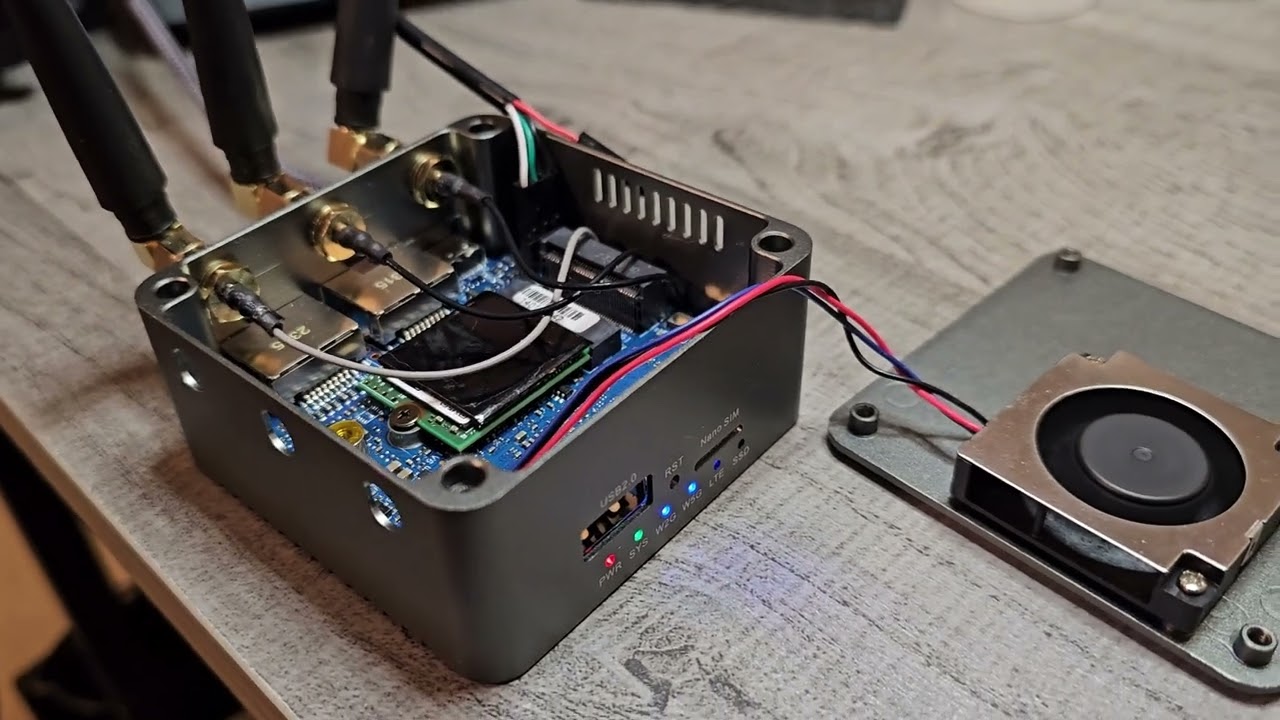
Infix Compatible Boards
Much thanks to the solid foundation curated by Buildroot, Infix can quite easily be ported to any system that supports Linux. The only real hardware requirement is “enough” RAM and storage, and if...
Much thanks to the solid foundation curated by Buildroot, Infix can quite easily be ported to any system that supports Linux. The only real hardware requirement is “enough” RAM and storage, and if...
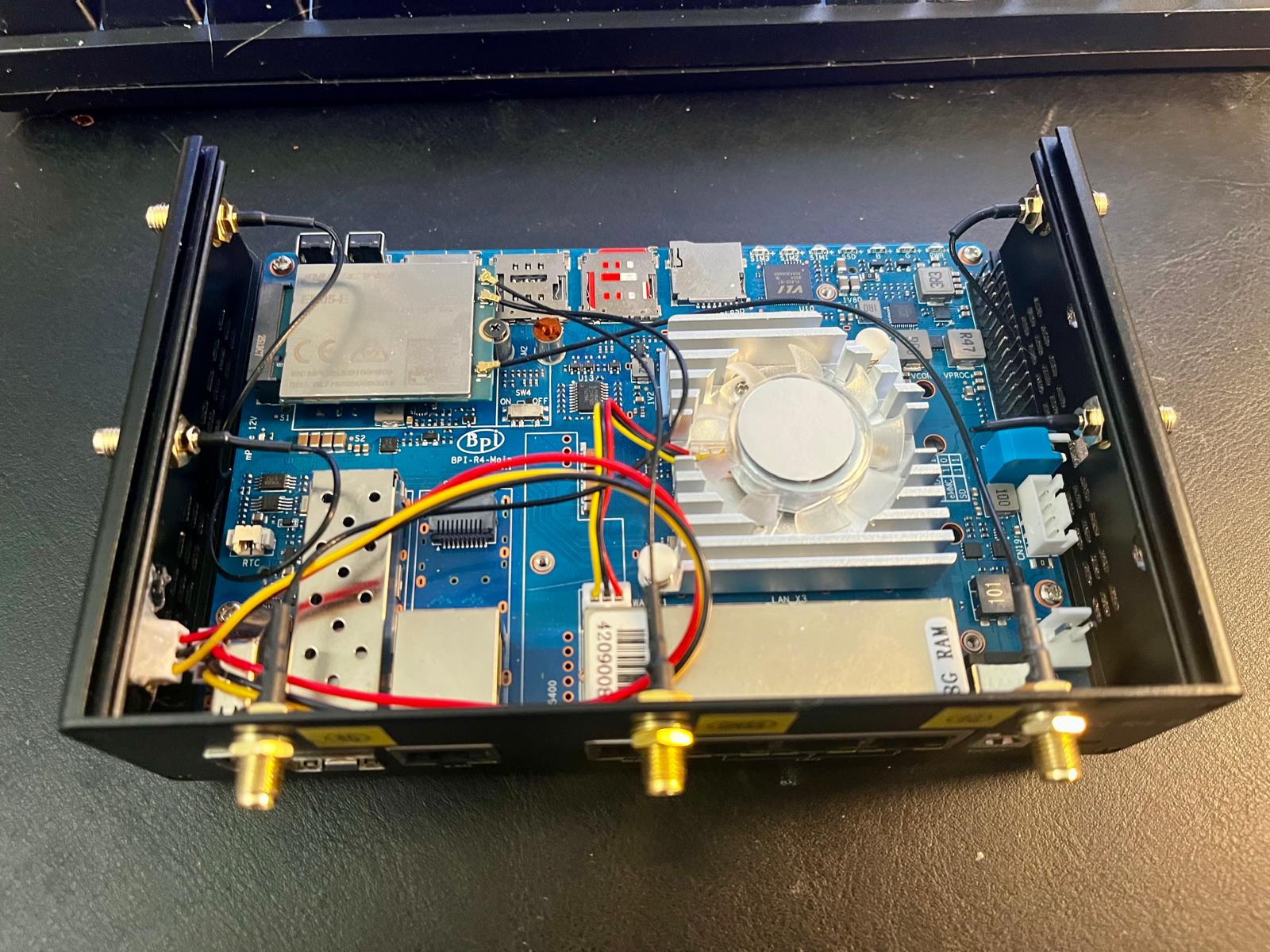
Two boards on the bench this month, two LTE modems. The BPI-R4 got a Quectel EM05 in its M.2 Key-B slot, and the BPI-R2 Pro a Quectel EP06-E in its Mini PCIe slot. The board posts are about getti...
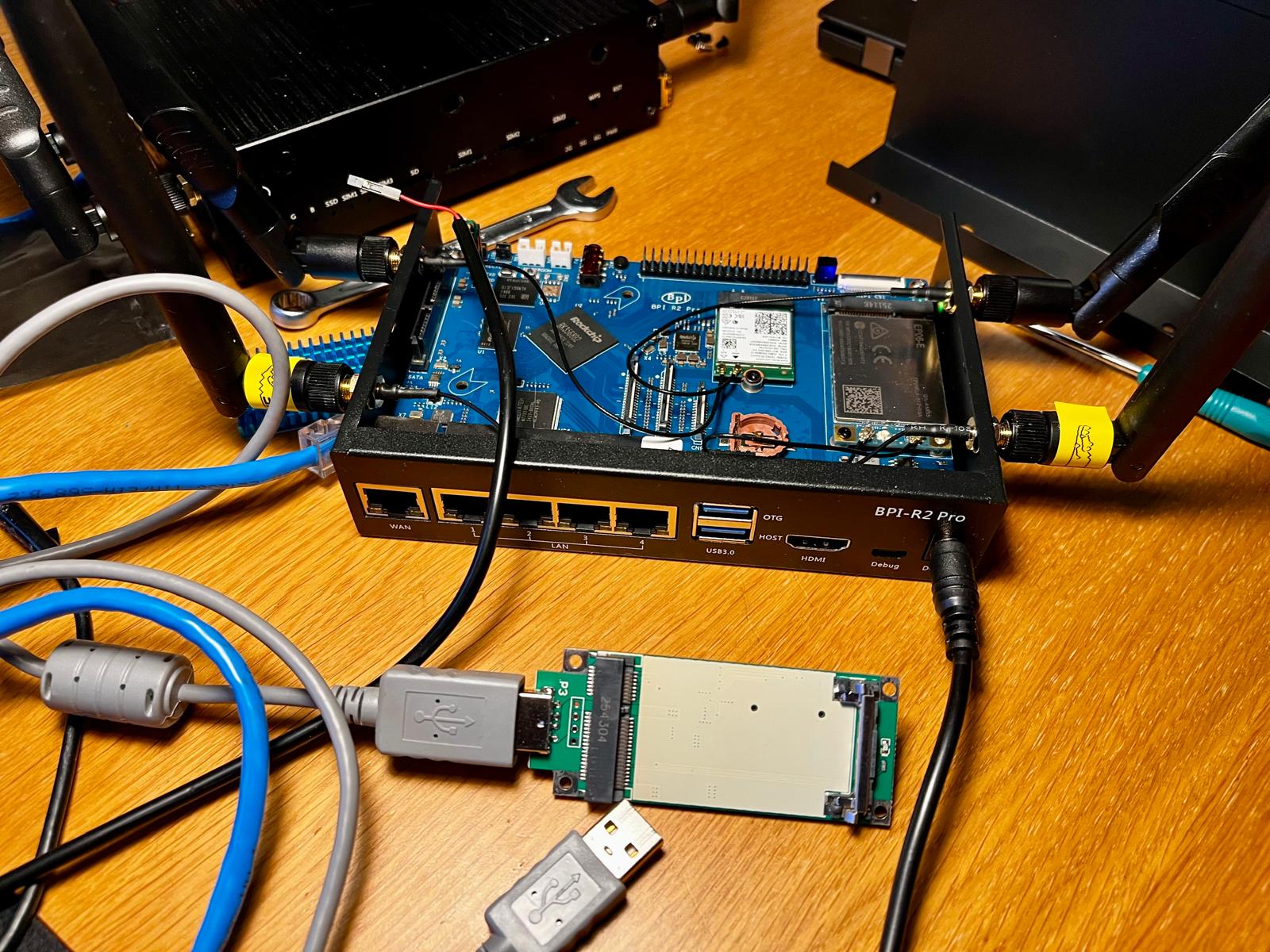
My mom has poor mobile coverage in her apartment. Her phone can do WiFi calling though, so what she really needs is not a better phone, but a good WiFi. This little board is going to be her signa...
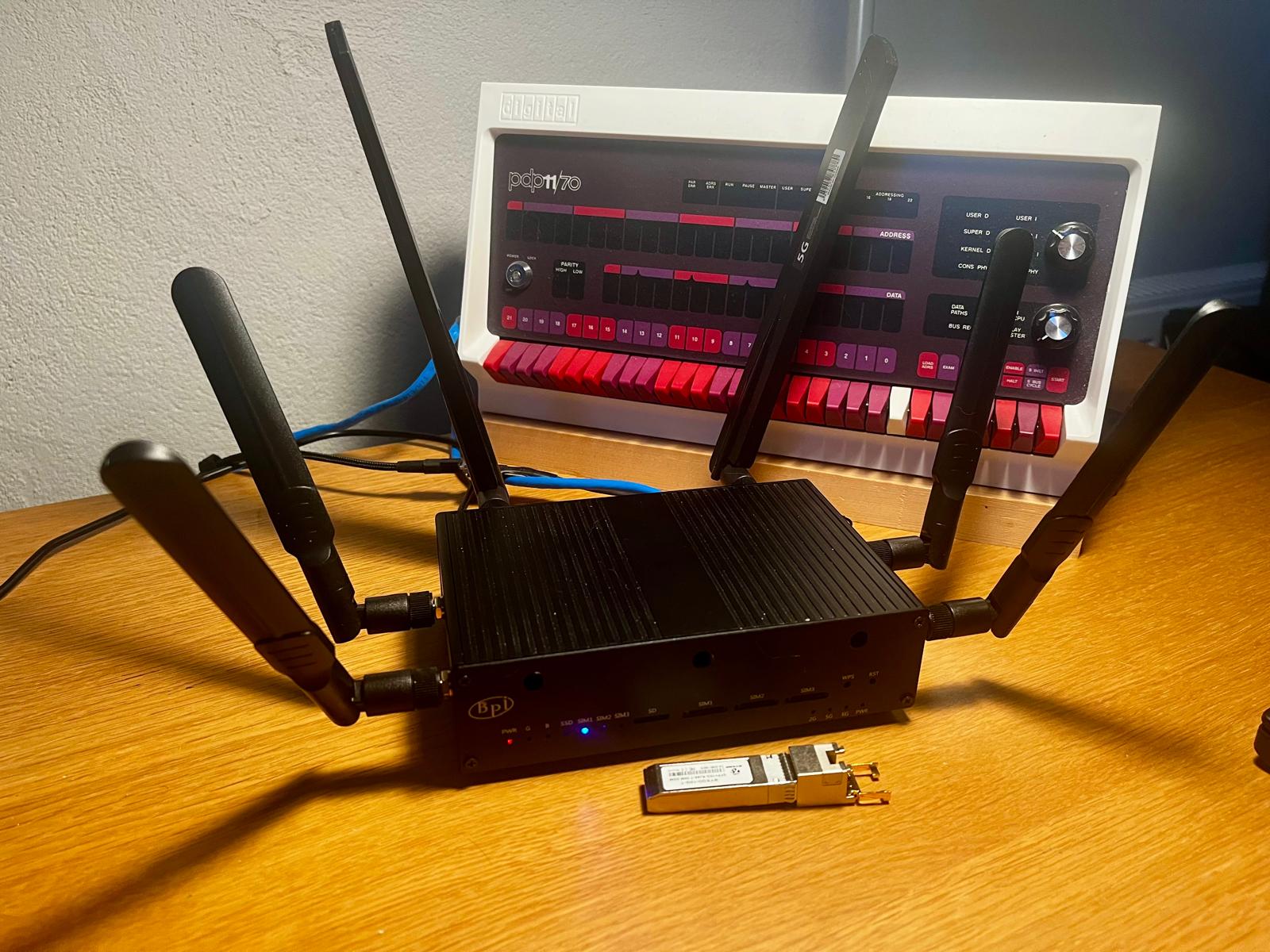
The plan was simple: put a BPI-MT7615 WiFi card and an NVMe disk in a Banana Pi BPI-R4, set up an access point, and verify that a rework of how the hardware configuration is applied had not broken ...
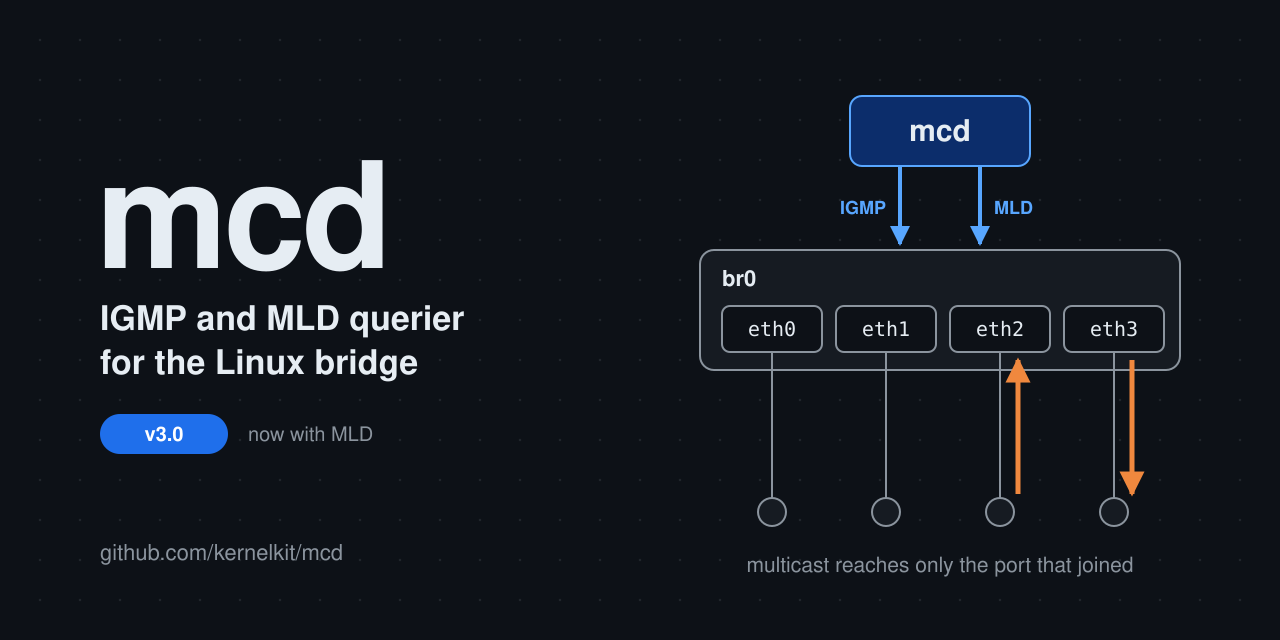
How to manage IPv4 and IPv6 multicast on your LAN with Infix OS
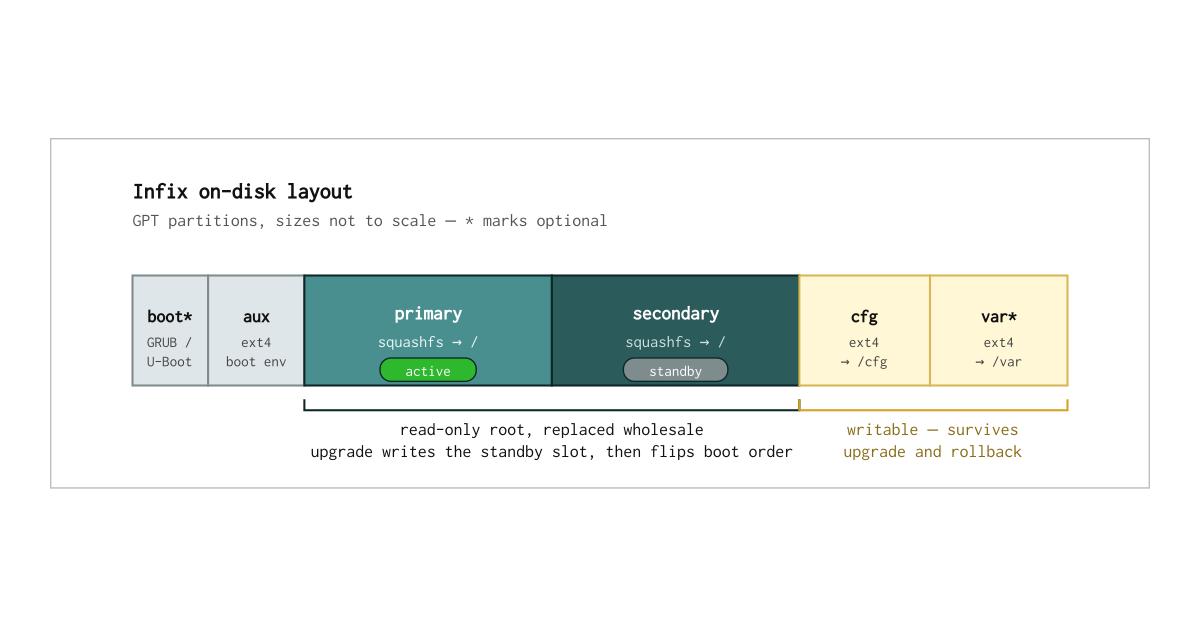
Picture forty switches spread over a dozen substations. A new release has just come out, and somebody has to log in to every one of them, run upgrade, and reboot in a service window. Most of the ...
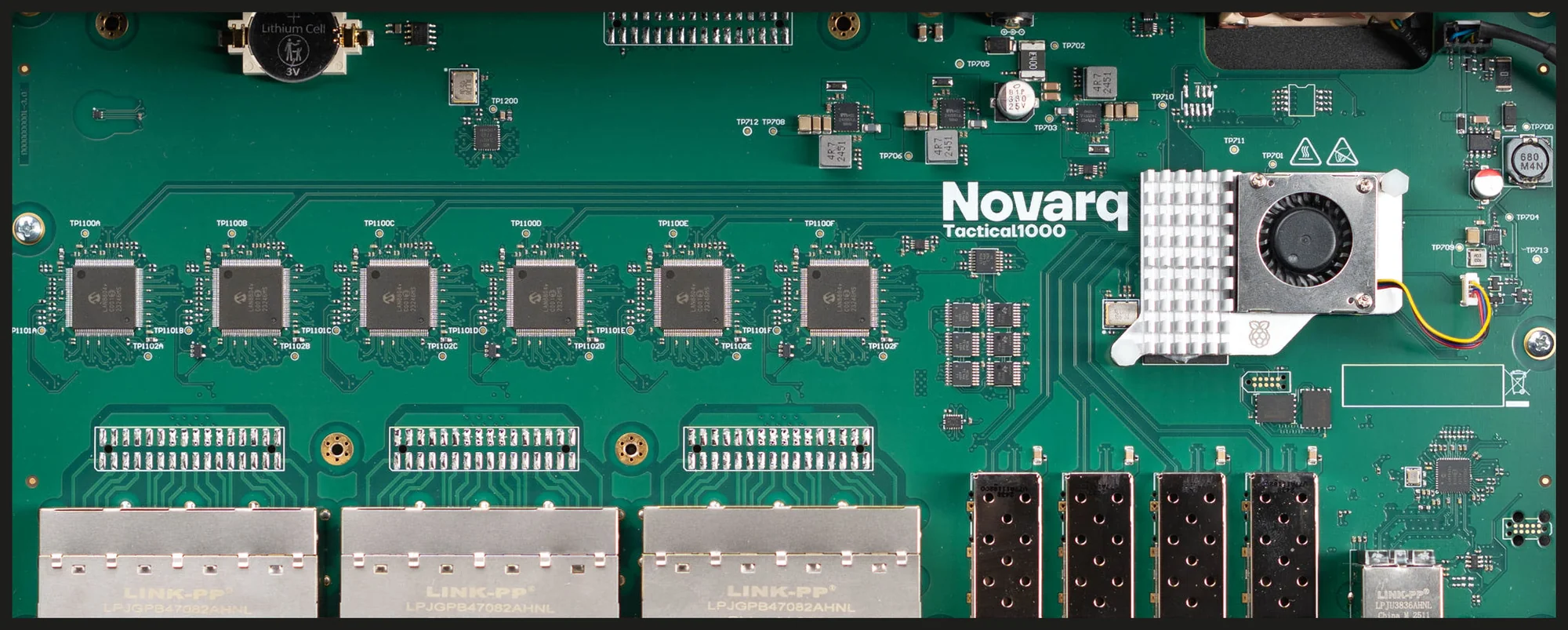
We said “stay tuned” at the end of the Laguna post. Here it is: the Novarq Tactical-1000, the first product built on the Microchip LAN969x family to run Infix. Supported from the v26.09 release, ...
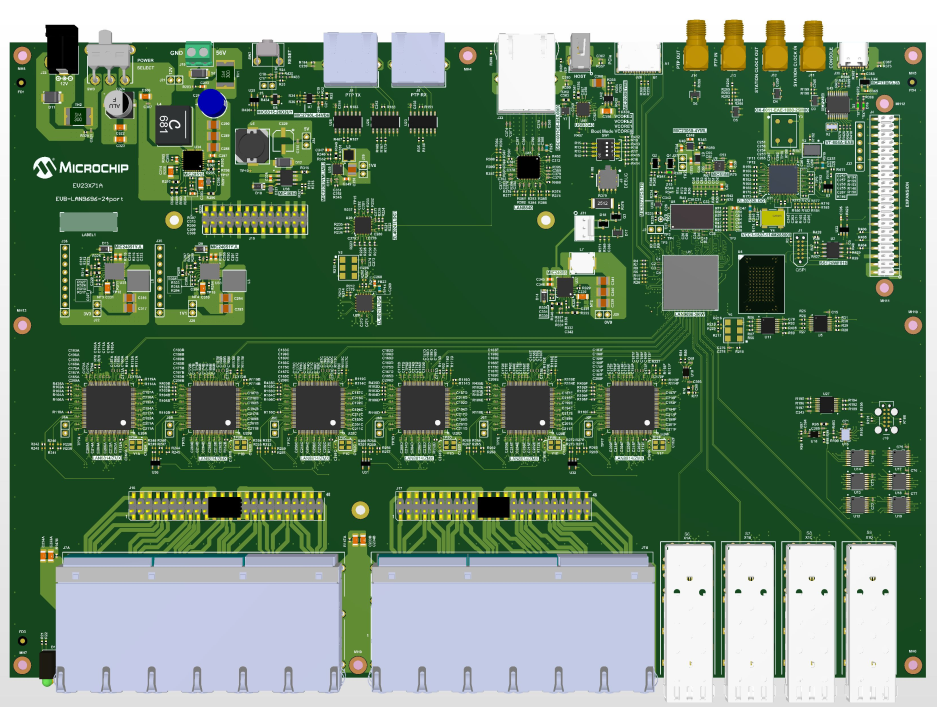
Twenty-eight ports, one lonely Cortex-A53, and a switch core that does TSN + FRER and HSR/PRP in hardware. Say hello to Microchip Laguna, the LAN969x family, now supported in Infix via the EV23X71...

Covering a building or a yard with Wi-Fi usually means several access points sharing one network name, so a laptop or a phone keeps working as it moves between them. Two problems show up quickly: ...
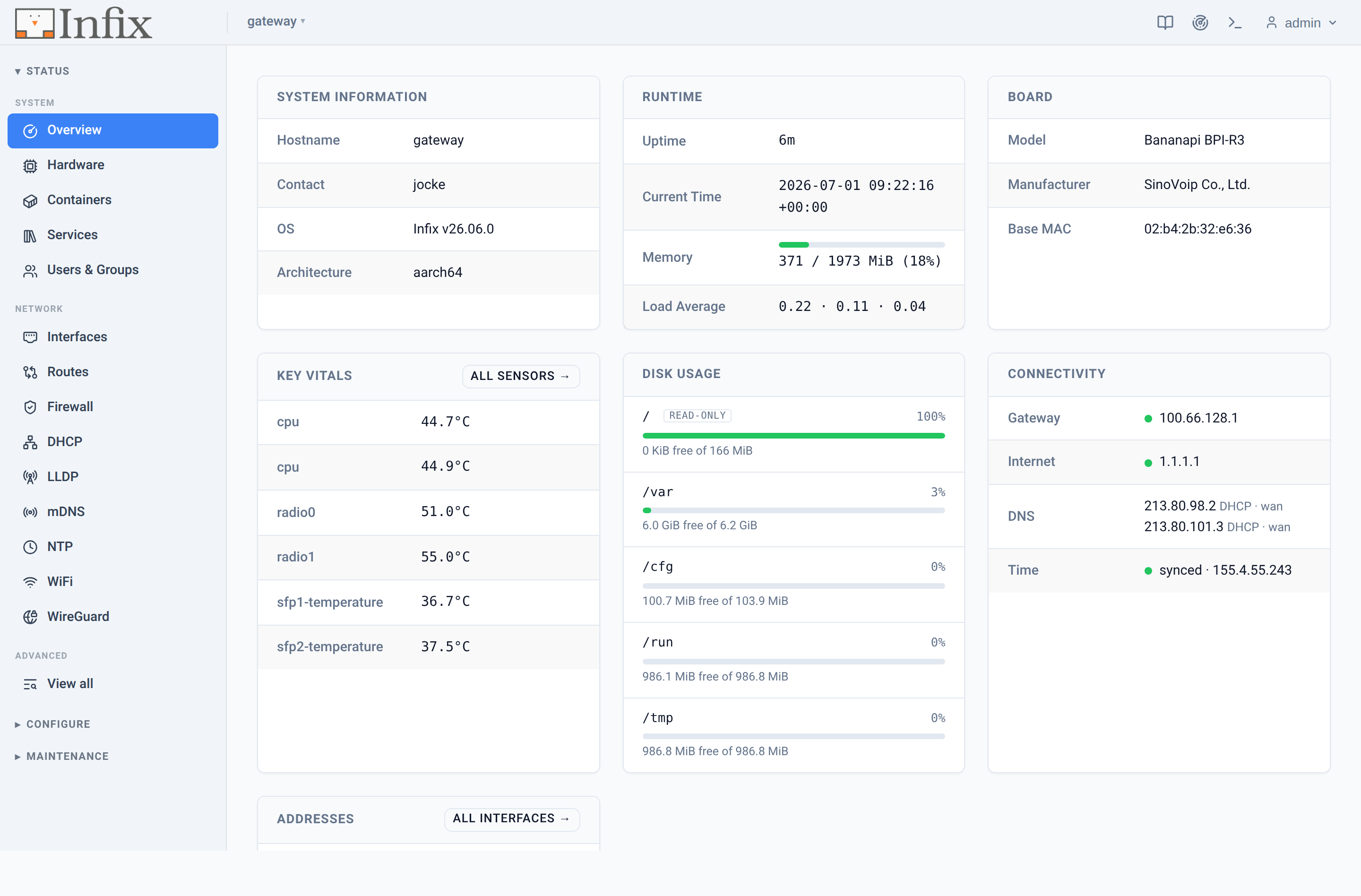
Infix has always been a YANG-native system: every setting lives in a model-backed datastore, reachable over the CLI, NETCONF, and RESTCONF. With v26.06 we add a fourth way in: a built-in web interf...