Building Infix from Source
From git clone to pinging the internet with make run
From git clone to pinging the internet with make run

The Precision Time Protocol (PTP, IEEE 1588) synchronizes clocks across a network to sub-microsecond accuracy — far beyond what NTP can achieve. Infix supports both the standard IEEE 1588 profile ...

Build and test networks virtually, no hardware required

Built on YANG, Built to Last
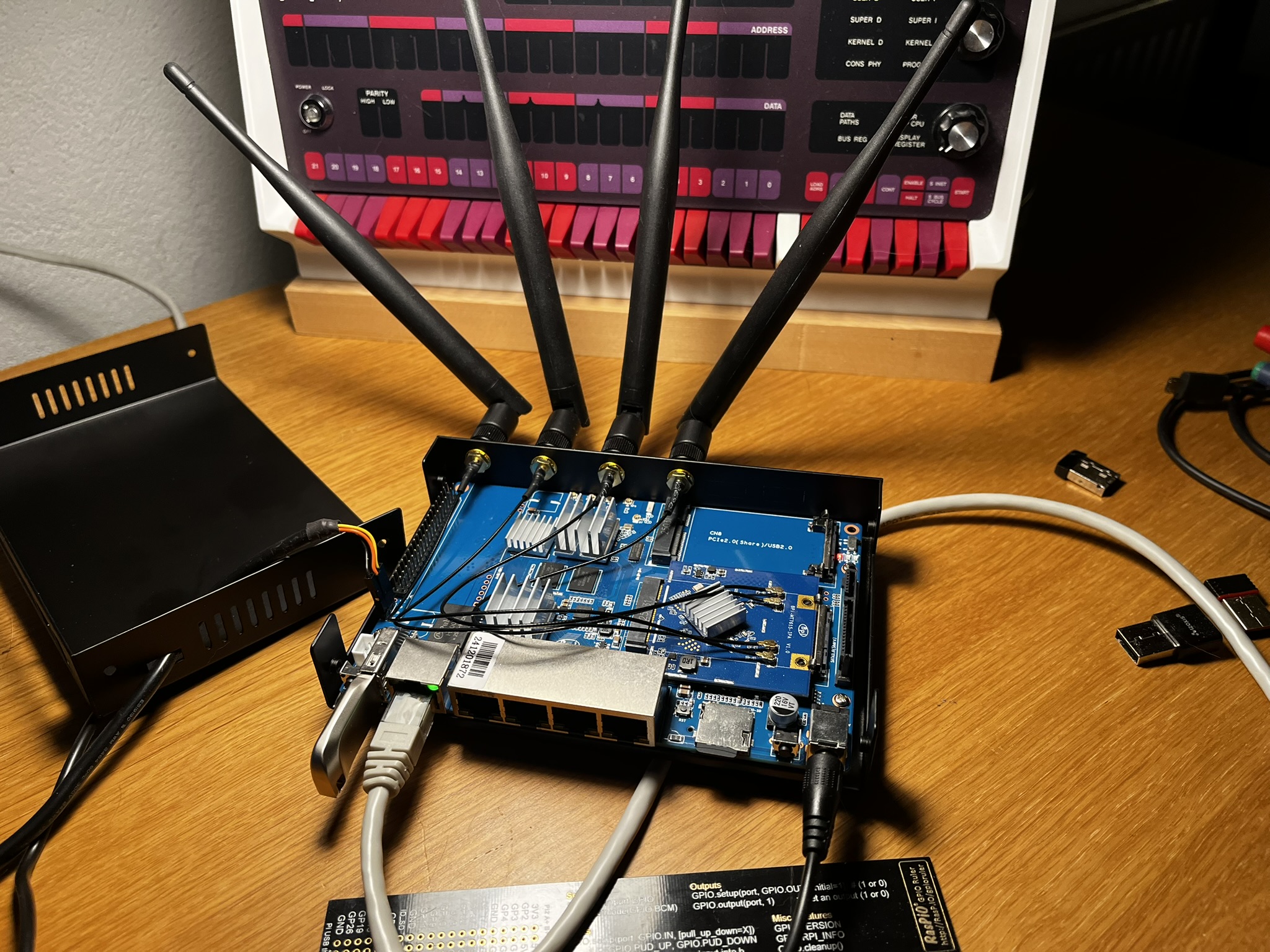
Infix now supports the Banana Pi BPi-R64, an affordable WiFi-capable router board built around the MediaTek MT7622 SoC. Although it predates the BPi-R3 and uses an older chipset, it remains a capa...
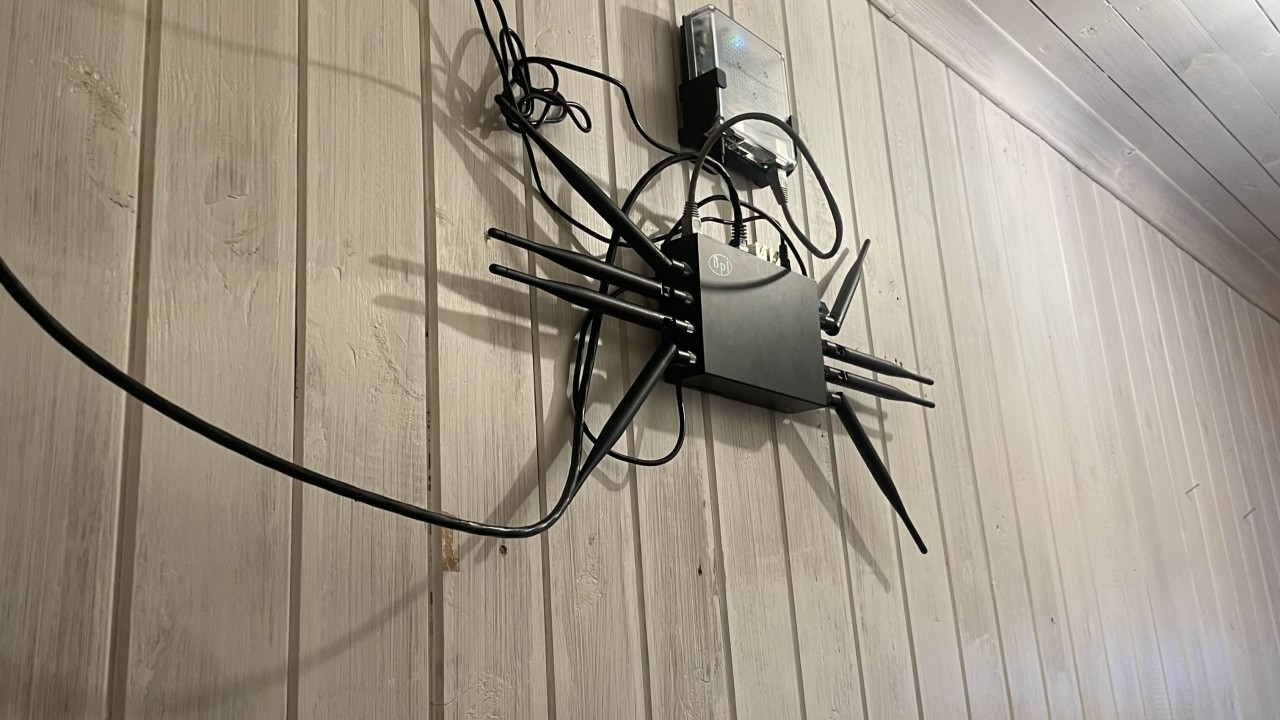
WiFi access point support landed in Infix v26.01, and the engineer who spent six months making it happen — Mattias Walström — wasted no time putting it to the test. He wrote up his experience of r...

So you have an application running on a Raspberry Pi, BeagleBone, or similar embedded Linux platform. Maybe it’s a temperature monitor, a data logger, or a custom control system. You’ve heard about...

We’ve talked before about how Infix OS focuses on being friendly, secure, and immutable. But what does immutability actually mean to us? It’s not about locking things down for the sake of it. It’s...

As of Infix v25.10, a zone-based firewall (ZBF) built on firewalld is included, exposing the most relevant functionality for network security. Rather than managing rules on a per-interface basis, z...
This guide covers how to flash an Infix SD card image to a microSD card or eMMC module. Prerequisites You will need: An SD card reader (USB or built-in) A microSD card or eMMC module (minim...