Flashing SD Card Images
This guide covers how to flash an Infix SD card image to a microSD card or eMMC module. Prerequisites You will need: An SD card reader (USB or built-in) A microSD card or eMMC module (minim...
This guide covers how to flash an Infix SD card image to a microSD card or eMMC module. Prerequisites You will need: An SD card reader (USB or built-in) A microSD card or eMMC module (minim...
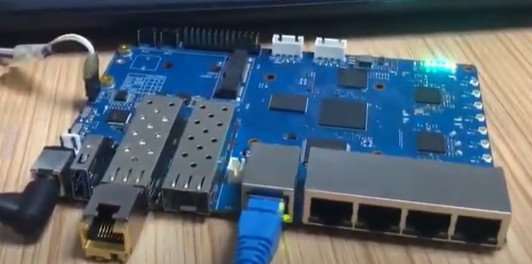
Infix now supports the Banana Pi BPi-R3, an affordable (€130-€150), Wi-Fi-capable router board with a built-in gigabit switch, and dual 2.5 Gbps SFP ports. The board offers a good balance between ...
We have now launched a slightly more accessible documentation for Infix, enjoy! 🧡 📚 https://www.kernelkit.org/infix/
A while back I was playing with NotebookLM and decided to feed it the About Infix page. Out came this funny and almost 100% accurate podcast Sorry, your browser does not seem to support the H...

This is the fourth post in a series about containers in Infix. This time we go back to basics for a more gentle introduction into using containers. We will use one real interface, connected to th...
This is a guide for those who want to learn more about Infix using a hands-on approach. You need a Linux 🐧 system with Qemu installed, we recommend Debian based systems, like Ubuntu and Linux Mint...

If you didn’t know this already, our RJ45-dwelling penguin 🐧 mascot is called Jack! Jacky, or Jackie also works 😃

This is an example of how to set up a VLAN transparent bridge with a DHCP assigned IP address. We have a system with two interfaces, or ports, named eth0 and eth1. Figure 1: eth0 faces the offic...
In this post we explore how to use the CLI to change a user’s password and set up SSH keys for authentication. User management is available in the system authentication configuration context, wher...
A common task for initial setup of your operating system is to change the hostname of a device. The default is a unique name composed from the built-in default name suffixed by the last three octe...